
The iconic male tiger, admired by thousands of tourists and feared by rivals, reportedly died after a fierce clash in the Khitauli range. Bandhavgarh National Park has lost one of its most recognizable and beloved tigers. Pujari (priest in English) , the majestic male who ruled hearts as much as territories , is believed to have died following a violent territorial clash with D1, another dominant male from the Khitauli range. Tourist guides noticed his sun-salutation poses at water bodies and a priest like calm in the cat, giving him the moniker. For wildlife lovers and regular visitors to Bandhavgarh, the news marks the end of an unforgettable chapter in the park’s rich tiger history. Several WhatsApp groups of tourists, guides, and wildlife enthusiasts have been flooded with tributes to the iconic tiger. While many stories circulating after Pujari’s death may not fully conform to scientific wildlife interpretations, they reflect the immense popularity of the big cat and t...

Twenty four hours after the Union ministry of environment ,forest and climate change (MoEFC&C) released an all –is-well report of the cheetahs in enclosures of Kuno National Park , another cheetah , a female, died in the park. This is the third cheetah death. Interestingly, all three – one from Namibia and two from South Africa- died even before their release in the open forest of Kuno. South African cheetah deaths have already created uproar back in the African nation as the opposition political parties have questioned the government.
Why Reproduce in Enclosure ?

This is another jolt to the cheetah introduction programme in India. Eight cheetahs from Namibia and 12 from South Africa were translocated in the months of September 2022 and February this year respectively to Kuno. A female cheetah named Daksha died due to a "violent interaction" during mating with a coalition of two male cheetahs - Vayu and Agni, said authorities . This is the third cheetah death in around 40 days. She died around 12 noon on May 9. According to the officials the three cheetahs were allowed to interact after an April 30 meeting attended by inspector general of National Tiger Conservation Authority (NTCA) Dr Amit Mallick, Qamar Qureshi of the Wildlife Institute of India (WII) and the cheetah experts from South Africa- Dr Adrian Tordiffe and Vincent van der Merwe from the Metapopulation Initiative . After a decision, Daksha was released in enclosure number one and two male cheetahs, Vayu and Agni, were released from boma 7 (enclosure) for mating.
Also read:11 Cheetahs To Be Released In 2 Months, South Africa Announces Midst Minister's Questioning
The two males entered her enclosure on May 6 and three days later, the female was found dead. A press release from Kuno claimed, “Such violent interaction is common by coalition of male cheetahs. And on such occasions, there is hardly any scope for intervention from the supervisory team .Male cheetahs often form coalitions or partnerships with their brothers, or other unrelated males, as it is easier for them to hunt larger prey together. Sometimes, males in a coalition also compete for a female, and the one that dominates gets the opportunity to mate, officials explained. But why are they hurrying to reproduce cheetahs in enclosures?, a senior IFS official in MoEFC&C asks. There is already a litter of 4 cubs born to a Namibia female in one of the enclosures of Kuno. The priority should be to release them in the open forest and look for the second home, another oficial of the ministry points out.
Five More Cheetahs To Be Released in Kuno

After the death of the first South African cheetah ( one of the 12) last month , it surprised India by a unilateral announcement of the cheetah release in the wild. On April 27, South Africa posted a media statement on its official web site. Addressing many other issues related to the cat, the media statement also said that “all the remaining 11 cheetahs (which now have become 10) will be released in the next 2 months”. Twelve days after South Africa’s announcement, the MoEFC&C broke its silence over the issue and said five cheetahs would be released before the onset of monsoon in June. According to a statement, the five cheetahs—three females and two males—have successfully completed the acclimatization process and are prepared for release into free-roaming conditions ahead of the June monsoon rains.
Also read:Tiger In Chain, Arunachal Forest Minister Goes For Walk
The decision followed a review of "Project Cheetah" by a team of experts under the guidance of the National Tiger Conservation Authority (NTCA). South African authorities are concerned over prolonged captivity of the animals exported to India in March especially after the death of Uday , the male cheetah . Uday was suffering from chronic stress, South African cheetah expert Vincent Van Der Merwe said after his death on April 24. “Like the 11 others, he was a wild cheetah. He was very healthy before shifting to Boma in July 2022 for the translocation project. After 10 months in captivity, he lost fitness and suffered from chronic stress,” Merwe said, adding that the animals must be released in the wild.
Cheetah's Second Home? Issue Baffles Govt
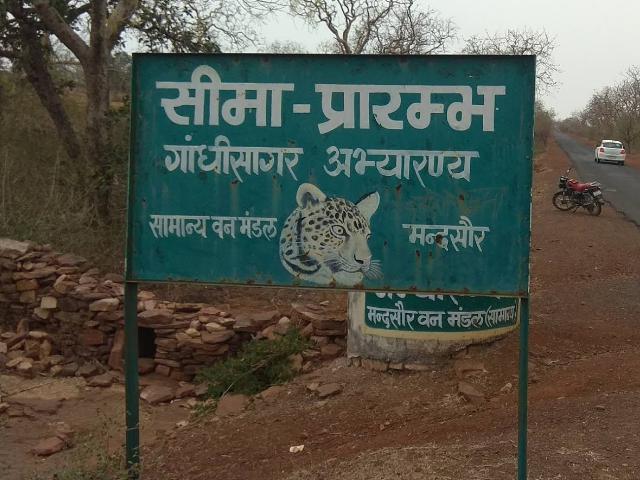
There is another issue of the cheetah project that demands the attention of the MoEFC&C. It needs to find a second home for the cheetahs as Kuno is considered crowded for the remaining cheetahs. The government of Madhya Pradesh has already written a letter to the centre to find a second home. Written a few weeks ago, the letter sought the Centre to take a decision on the alternate site. Though the centre had identified Mukundara Hills Tiger Reserve as one of the alternate sites, which is already ready, an official documentary on cheetah translocation in Kuno did not mention this Rajasthan park. It only mentioned two names - Gandhi Sagar Sanctuary or the Nauradehi Wildlife Sanctuary. “If we start developing our sites like the Gandhi Sagar and Nauradehi, it will take two years and three years respectively,” officials in Bhopal claimed. Besides, they need Rs 300 crore to Rs 400 crore each to prepare these jungles for cheetahs.
Also read: Adventures of Asha, Oban Put Cheetah Task Force in a Fix
Amidst all this 13 cheetahs - 10 from South Africa and three from Namibia- are awaiting to be released. The 748 sq km Kuno is considered a small place for the remaining 17 cheetahs from the two African countries. But the cheetah action plan prepared for the project insists that it can house 21 cheetahs, an issue contested by independent biologists and wildlife experts from India and abroad. Adventures of one of the Namibian cheetahs, Oban now rechristened as Pawan has already baffled the authorities. The cheetah was tranquilized twice and is now housed in a small enclosure. A team of atleast ten field workers from India and Namibia had a tough time chasing the cheetah as far as 100 kms away from the boundaries of Kuno before Oban was ultimately tranquilised second time and brought back to Kuno in an enclosure.
By Deshdeep Saxena
Representational Images
Comments
Post a Comment